What is ERP Software? Complete Guide for Businesses in 2026

Home » Geegatech: Leading Digital Transformation with CMMI Level 3 Expertise in Indore

What is ERP Software? Complete Guide for Businesses in 2026

In today’s fast-paced digital environment, businesses need efficient systems to manage operations, reduce manual work, and improve decision-making. This is where ERP software comes into play. ERP, or Enterprise Resource Planning, is a centralized system that integrates all core business processes into a single platform. From inventory and billing to human resources and finance, ERP systems streamline operations and improve productivity. In this guide, we will explore what ERP software is, how it works, its key features, benefits, costs, and why businesses are rapidly adopting ERP systems in 2026.
Cloud application development architecture in 2026

What is ERP Software?

ERP software is a business management solution that helps organizations manage and automate daily operations.

Instead of using multiple disconnected systems, ERP integrates everything into one unified platform.

Core Functions of ERP

  • Inventory management
  • Sales and billing
  • Accounting and finance
  • Human resource management
  • Customer relationship management

ERP ensures all departments work with the same data in real time.

How ERP Software Works

ERP systems operate through a centralized database. Each department inputs and accesses data through different modules.

  • When a sale is made, inventory updates automatically
  • The accounting system records transactions instantly
  • Management dashboards show real-time reports

This real-time synchronization reduces errors and improves efficiency.

Key Features of ERP Software

1. Inventory Management

Tracks stock levels, manages warehouses, and ensures optimal inventory control.

2. Billing and Invoicing

Generates invoices, calculates taxes, and maintains billing records.

3. Accounting and Finance

Manages financial transactions, reports, and compliance.

4. Human Resource Management

Handles employee data, payroll, attendance, and performance tracking.

5. Customer Management

Stores customer data, tracks interactions, and improves relationships.

6. Reporting and Analytics

Provides real-time insights and business intelligence.

Types of ERP Systems

On-Premise ERP

Installed on company servers. Offers full control but requires higher maintenance.

Cloud-Based ERP

Hosted on cloud servers. Accessible from anywhere and highly scalable.

Hybrid ERP

Combination of both on-premise and cloud solutions.

Benefits of ERP Software

1. Improved Efficiency

Automation reduces manual work and saves time.

2. Centralized Data

All information is stored in one system, improving accuracy.

3. Better Decision Making

Real-time data helps businesses make informed decisions.

4. Cost Reduction

Optimizes processes and reduces operational costs.

5. Scalability

ERP systems grow with your business.

ERP Use Cases by Industry

Retail

Inventory tracking, billing, and customer management.

Healthcare

Patient records, billing, and scheduling.

Manufacturing

Production planning and supply chain management.

Education

Student management and administration.

ERP Development Process

  • Requirement Analysis – Understand business needs
  • System Design – Plan architecture and modules
  • Development – Build and integrate features
  • Testing – Ensure performance and reliability
  • Deployment – Launch system and train users

Challenges in ERP Implementation

  • High initial cost
  • Employee training required
  • Customization complexity

Future Trends in ERP Systems

  • AI-powered analytics
  • Cloud-based ERP adoption
  • Mobile ERP solutions
  • Integration with IoT

Why Businesses Need ERP in 2026

Businesses are becoming more data-driven and competitive. ERP systems provide tools to stay efficient and scalable.

Without ERP, companies face fragmented data, inefficiencies, and poor decision-making.

Choosing the Right ERP Solution

  • Business requirements
  • Scalability
  • Budget
  • Vendor expertise

Working with a structured company ensures successful implementation and long-term support.

Conclusion

ERP software transforms how businesses operate by integrating processes, improving efficiency, and providing real-time insights.

Choosing the right ERP solution can significantly improve productivity and profitability.

What is ERP software used for?

ERP software is used to manage and automate core business processes such as inventory, billing, accounting, human resources, and customer management in one centralized system.

Is ERP suitable for small businesses?

Yes, ERP systems are suitable for businesses of all sizes. Small businesses can use customized or cloud-based ERP solutions.

What are the types of ERP systems?

On-premise ERP, cloud-based ERP, and hybrid ERP solutions.

Get in touch with us

Looking for a certified tech partner? Contact Geega Technologies today.

MERN vs Laravel: Which Technology is Better for Web Development in 2026?

Home » Geegatech: Leading Digital Transformation with CMMI Level 3 Expertise in Indore

MERN vs Laravel: Which Technology is Better for Web Development in 2026?

Choosing the right technology stack is one of the most important decisions in web development. The performance, scalability, cost, and long-term success of your application depend heavily on this choice.

Two of the most popular options today are the MERN stack and Laravel. Both are powerful, widely used, and capable of building modern web applications. However, they are fundamentally different in architecture, development approach, and use cases.

In this guide, we will compare MERN and Laravel in detail to help you decide which one is the right choice for your project.

Cloud application development architecture in 2026

Understanding MERN Stack

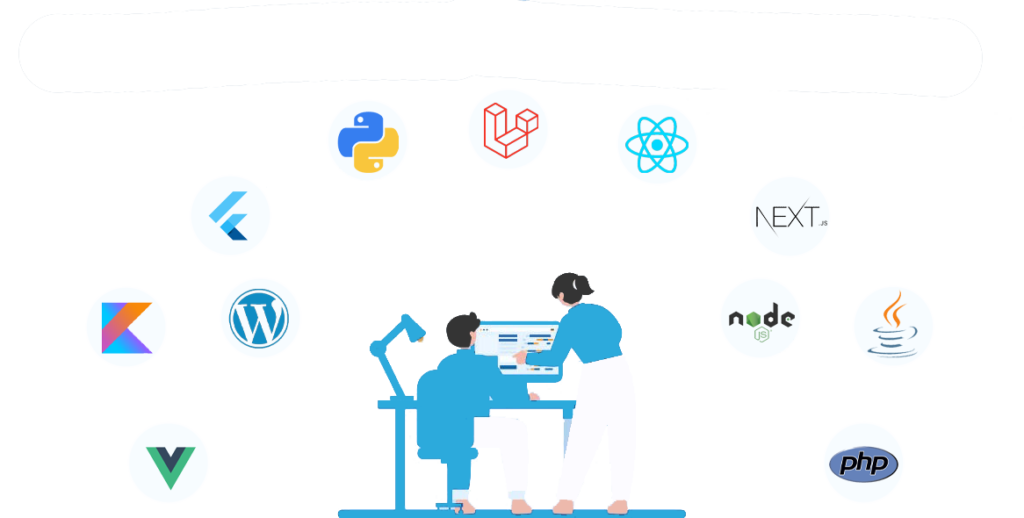
MERN stands for MongoDB, Express.js, React, and Node.js. It is a full-stack JavaScript framework used to build modern web applications.

Components of MERN

MongoDB is a NoSQL database that stores data in a flexible format.
Express.js is a backend framework that runs on Node.js.
React is a frontend library used for building interactive user interfaces.
Node.js is a runtime environment that allows JavaScript to run on the server.

Key Advantages of MERN

MERN uses a single language across the entire stack, which simplifies development.
It is highly scalable and suitable for real-time applications.
React provides a fast and dynamic user experience.
MongoDB allows flexible data storage without rigid schemas.

Understanding Laravel

Laravel is a PHP-based web application framework known for its simplicity, elegance, and robust features.

Key Features of Laravel

MVC architecture ensures clean and organized code.
Built-in authentication and security features.
Eloquent ORM for database management.
Blade templating engine for frontend rendering.

Advantages of Laravel

It is easy to learn and widely used.
Provides strong security features out of the box.
Suitable for enterprise-level applications.
Has a large ecosystem and community support.

MERN vs Laravel: Detailed Comparison

1. Performance

MERN stack is built on Node.js, which is non-blocking and asynchronous. This makes it faster for real-time applications such as chat apps and streaming platforms.

Laravel, on the other hand, is synchronous and may not perform as fast as Node.js in high-concurrency environments. However, it is optimized for stability and reliability.

Conclusion:
MERN is better for high-performance, real-time applications.
Laravel is suitable for stable, structured applications.

2. Scalability

MERN is highly scalable due to its microservices-friendly architecture and cloud compatibility.

Laravel can also scale well, but it requires additional effort and infrastructure planning.

Conclusion:
MERN has an edge in scalability for modern applications.

3. Development Speed

Laravel provides built-in features like authentication, routing, and database management, which speeds up development.

MERN requires more manual setup but offers flexibility.

Conclusion:
Laravel is faster for rapid development.
MERN is better for custom solutions.

4. Learning Curve

MERN requires knowledge of multiple technologies, even though all are JavaScript-based.

Laravel is easier for beginners, especially those familiar with PHP.

Conclusion:
Laravel is easier to learn.
MERN requires more expertise.

5. Flexibility

MERN is highly flexible and allows developers to structure applications as needed.

Laravel follows a structured approach with predefined patterns.

Conclusion:
MERN offers more flexibility.
Laravel offers better structure.

6. Database Management

MERN uses MongoDB, which is schema-less and flexible.

Laravel typically uses MySQL or PostgreSQL, which are relational databases.

Conclusion:
MongoDB is better for dynamic data.
Relational databases are better for structured data.

7. Security

Laravel has built-in security features such as CSRF protection, authentication, and encryption.

MERN requires developers to implement security manually.

Conclusion:
Laravel provides stronger out-of-the-box security.

8. Cost of Development

MERN can be more cost-effective in the long run due to scalability and performance.

Laravel may require less initial development cost due to faster setup.

Conclusion:
Laravel is cost-effective for small projects.
MERN is better for long-term scalability.

When to Choose MERN

Real-time applications
Scalable SaaS platforms
Single-page applications
High-performance systems

When to Choose Laravel

Enterprise applications
Content management systems
Business portals
Secure backend systems

Real-World Use Cases

MERN Stack Use Cases

Social media platforms
Real-time dashboards
Streaming applications

Laravel Use Cases

ERP systems
CRM systems
E-commerce platforms

Future Trends in Web Development

JavaScript ecosystems continue to grow rapidly, making MERN increasingly popular.

Laravel remains strong in enterprise and backend-heavy applications.

The future will likely involve hybrid approaches combining the strengths of both technologies.

Final Verdict

There is no one-size-fits-all answer when choosing between MERN and Laravel.

MERN is ideal for modern, scalable, and high-performance applications.
Laravel is best for structured, secure, and enterprise-grade systems.

Your choice should depend on your project requirements, budget, and long-term goals.

1. Which is better: MERN vs Laravel?

MERN vs Laravel depends on your project requirements. MERN is better for scalability and real-time applications, while Laravel is ideal for structured and secure web applications.

2. Why MERN vs Laravel comparison matters in 2026?

The MERN vs Laravel comparison matters in 2026 because businesses need scalable, high-performance, and cost-effective web development solutions.

3. Which is more secure: MERN vs Laravel?

In the MERN vs Laravel debate, Laravel provides better built-in security features, while MERN requires manual security implementation.

Get in touch with us

Looking for a certified tech partner? Contact Geega Technologies today.

How to Build a Food Delivery App Like Zomato or Swiggy

Home » Geegatech: Leading Digital Transformation with CMMI Level 3 Expertise in Indore

Step-by-Step: How to Build a Food Delivery App Like Zomato or Swiggy

Food delivery app development is rapidly growing as more businesses move online to serve customers efficiently. Food delivery apps have transformed the way people order and consume food. Platforms like Zomato and Swiggy have created a massive market by connecting users, restaurants, and delivery partners through a single digital ecosystem.

If you are planning to build a food delivery app, this guide will walk you through everything you need to know, including features, development process, technology stack, cost, and strategies to succeed in a competitive market.

Cloud application development architecture in 2026

Understanding the Food Delivery Business Model

Before starting development, it is important to understand how food delivery platforms work. There are three main models:

With the rise of digital platforms, food delivery app development has become a key investment for startups and enterprises.

Aggregator Model

In this model, the platform lists restaurants and allows users to place orders. The restaurant handles food preparation and sometimes delivery.

Order and Delivery Model

The platform manages both order placement and delivery logistics. This is the most popular model used by companies like Swiggy.

Cloud Kitchen Model

The company owns or operates kitchens and delivers food directly to customers without a physical dine-in space.

Choosing the right model depends on your business goals and investment capacity.

Core Features of Food Delivery App Development

A successful food delivery app is not just about ordering food. It requires a complete ecosystem with multiple panels.

1. User App Features

User experience plays a critical role in the success of your platform.

Essential Features:

User registration and login
Search and filter restaurants
Menu browsing
Add to cart
Online payment
Order tracking
Ratings and reviews
Push notifications

These features are essential for successful food delivery app development and long-term user engagement.

A smooth and fast interface ensures better customer retention.

2. Restaurant Panel

Restaurants need a dedicated dashboard to manage their operations.

Features:

Menu management
Order management
Pricing updates
Analytics dashboard
Availability status

This panel should be simple and easy to use for restaurant owners.

3. Delivery Partner App

Delivery partners are the backbone of the system.

Features:

Order notifications
Navigation and route optimization
Earnings tracking
Availability toggle

Real-time tracking and efficient routing are crucial for timely deliveries.

4. Admin Panel

The admin panel controls the entire platform.

Features:

User management
Restaurant onboarding
Order tracking
Commission management
Reports and analytics

This panel ensures smooth operations and business control.

Food Delivery App Development Process (Step-by-Step)

A well-planned food delivery app development process ensures scalability and performance.

Step 1: Market Research

Understand your target audience and competitors. Analyze what existing apps are doing and identify gaps you can fill.

Step 2: Define Features

Start with essential features. Avoid building everything at once. Focus on a Minimum Viable Product (MVP).

Step 3: UI/UX Design

Design an intuitive interface that makes ordering simple and fast. A clean design improves user engagement.

Step 4: Choose Technology Stack

Selecting the right technology is critical for scalability and performance.

Recommended Stack:

Frontend: React Native or Flutter
Backend: Node.js
Database: MongoDB or PostgreSQL
Cloud: AWS or Google Cloud

Step 5: Development

Frontend development
Backend development
API integrations

Step 6: Testing

Performance
Security
Usability

Fix bugs before launch.

Step 7: Launch and Deployment

Deploy the app on app stores and monitor performance closely.

Why Choose a Food Delivery App Development Company

Building a food delivery platform requires expertise in multiple areas including app development, backend systems, and scalability.

Working with a structured and process-driven team ensures better quality and timely delivery.

Future Trends in Food Delivery Apps

AI-based recommendations
Drone and autonomous delivery
Voice ordering
Cloud kitchens expansion

Staying updated with trends helps maintain a competitive edge.

Conclusion

Building a food delivery app like Zomato or Swiggy requires careful planning, the right technology, and a strong execution strategy.

Choosing the right approach to food delivery app development can help your business grow faster in a competitive market.

Starting with an MVP, focusing on user experience, and scaling gradually is the best approach for long-term success.

What is food delivery app development?

Food delivery app development is the process of creating a digital platform that connects users, restaurants, and delivery partners. It includes features like online ordering, real-time tracking, payment integration, and restaurant management systems.

How long does it take to build a food delivery app?

Food delivery app development usually takes around 6 to 20 weeks based on the app complexity, features, and development approach

Which technology is best for food delivery app development?

Technologies like React Native or Flutter for frontend and Node.js for backend are widely used in food delivery app development because they offer scalability, performance, and cross-platform compatibility.

Get in touch with us

Looking for a certified tech partner? Contact Geega Technologies today.

Cost to Build a Mobile App in 2026: Complete Pricing Guide for Startups & Businesses

Home » Geegatech: Leading Digital Transformation with CMMI Level 3 Expertise in Indore

Cost to Build a Mobile App in 2026: Complete Guide

Mobile applications are no longer optional—they are essential for businesses aiming to scale, engage users, and increase revenue. Whether you’re a startup with a new idea or an enterprise looking to digitize operations, one question always comes first:

How much does it cost to build a mobile app in 2026?

The answer isn’t fixed. Mobile app development costs vary depending on multiple factors such as complexity, features, platform, and development approach.

In this detailed guide, we’ll break down everything you need to know about mobile app development costs, timelines, and strategies to optimize your budget.

Cloud application development architecture in 2026

1. Key Factors That Affect Mobile App Development Cost

1. App Complexity

The biggest cost driver is how complex your app is.

Basic Apps
These apps have a simple UI, limited features, and usually no backend. They are quick to develop and cost-effective.
Examples: Calculator, basic informational apps

Medium Complexity Apps
These include features like user login, APIs, and an admin panel. They require more development time and backend integration.
Examples: Booking apps, e-commerce apps

Advanced Apps
These apps include real-time features, AI integration, and high scalability. They require advanced architecture and higher investment.
Examples: Food delivery apps, ride-sharing apps

Advanced Apps

  • Real-time features
  • AI integration
  • High scalability

   Examples:

  • Food delivery apps
  • Ride-sharing apps

2. Platform Selection

Android App Development

  • Covers a larger audience and is slightly more cost-effective.

iOS App Development

  • Offers higher revenue potential and targets a premium user base.

3. Features & Functionalities.

Common Features:

Every feature you add increases development time and cost.

Common features include:
User authentication, push notifications, payment gateway, GPS tracking, and chat systems.
 More features = higher cost

  • User Authentication
  • Push Notifications
  • Payment Gateway
  • GPS Tracking
  • Chat System

 More features = more development time = higher cost

4. UI/UX Design

A well-designed app improves user engagement and retention.

Basic design is cost-effective, while custom UI/UX with animations and branding increases cost but enhances user experience.

5. Backend Development

Backend handles:

  • Database
  • APIs
  • Server logic

Complex backend = higher cost

6. Third-Party Integrations

Examples:

  • Payment gateways
  • Maps (Google Maps)
  • SMS/OTP APIs

 How to Reduce App Development Cost

Start with MVP

Build only essential features first and expand later.

 Use Cross-Platform Development

React Native or Flutter helps reduce cost and time.

Avoid Over-Engineering

Focus on user needs instead of adding unnecessary features.

Choose Experienced Team

An experienced team avoids delays and costly mistakes.

Hidden Costs You Should Know

  • Maintenance (15–20% annually)
  • Server hosting
  • App store fees
  • Updates & bug fixes

 Why Businesses Invest in Mobile Apps

  • Better customer engagement
  • Increased revenue
  • Brand visibility
  • Automation

Choosing the Right Development Partner

When selecting a company, look for:

✔ Experience
✔ Portfolio
✔ Transparent pricing
✔ Scalable solutions

👉 A CMMI Level 3 certified company ensures quality processes and reliable delivery.

 Final Thoughts

Mobile app development is an investment, not an expense. The right strategy, team, and technology can help you build a product that generates long-term value.

If you’re planning to build an app, start with a clear roadmap and focus on delivering real value to users.

Get in touch with us

Looking for a certified tech partner? Contact Geega Technologies today.

Why Custom Software Development is Essential for Business Growth in 2026

Home » Geegatech: Leading Digital Transformation with CMMI Level 3 Expertise in Indore

Why Custom Software Development is Essential for Business Growth in 2026

In today’s fast-paced digital landscape, businesses are under constant pressure to innovate, optimize operations, and deliver exceptional customer experiences. As competition intensifies across industries, relying on generic, off-the-shelf software is no longer enough. Companies now require solutions that are tailored specifically to their workflows, goals, and future vision. This is where custom software development plays a crucial role.

Custom software development enables businesses to build applications that are designed exclusively for their unique requirements. Unlike ready-made software, which often comes with limitations, custom solutions provide flexibility, scalability, and efficiency—making them a powerful tool for long-term growth.

Cloud application development architecture in 2026

What is Custom Software Development?

Custom software development refers to the process of designing, developing, deploying, and maintaining software tailored to a specific organization’s needs. This could include web applications, mobile apps, enterprise systems, CRM tools, or automation platforms.

Instead of adjusting your business processes to fit the software, custom solutions are built to fit your business processes perfectly. This ensures smoother operations, better user experience, and improved performance.

At Geega Technologies, businesses benefit from personalized software solutions that align with both their operational needs and long-term business strategies.

Why Custom Software is Important in 2026

As we move further into a digital-first economy, custom software is becoming a necessity rather than a choice. Here are some key reasons why it is essential for business growth:

1. Scalability for Growing Businesses

One of the biggest advantages of custom software is scalability. As your business expands, your software can evolve alongside it. Whether you’re adding new features, users, or integrations, custom solutions allow seamless growth without performance issues or limitations.

2. Enhanced Security

Cybersecurity threats are increasing every year, and businesses must protect sensitive data at all costs. Off-the-shelf software is often a common target for hackers because its structure is widely known. Custom software, on the other hand, can be built with advanced and tailored security features, reducing vulnerabilities and ensuring better protection.

3. Improved Efficiency and Productivity

Custom software helps automate repetitive tasks, streamline workflows, and reduce manual errors. This leads to increased productivity, faster operations, and better resource management. Employees can focus more on strategic tasks rather than routine work.

4. Competitive Advantage

In a crowded market, having unique capabilities can set your business apart. Custom software allows you to build features that are specifically designed for your customers and processes—giving you a significant edge over competitors using generic tools.

5. Long-Term Cost Efficiency

While custom software may require a higher initial investment, it proves to be cost-effective in the long run. Businesses can avoid recurring licensing fees, reduce dependency on third-party tools, and minimize operational inefficiencies—leading to a higher return on investment (ROI).

Industries That Benefit from Custom Software

Custom software development is transforming various industries by addressing their specific challenges:

  • E-commerce: Personalized shopping experiences, inventory management, and payment integrations
  • Healthcare: Patient management systems, telemedicine platforms, and data security solutions
  • Fintech: Secure payment gateways, financial analytics, and fraud detection systems
  • Logistics and Supply Chain: Real-time tracking, route optimization, and warehouse automation
  • Education: E-learning platforms, student management systems, and virtual classrooms

Key Technologies Driving Custom Software Development

Modern custom software solutions are powered by advanced technologies that enhance performance and innovation:

  • Artificial Intelligence (AI) & Machine Learning (ML) for automation and predictive analytics
  • Cloud Computing for scalability, flexibility, and remote access
  • MERN & MEAN Stack for building fast and dynamic web applications
  • Mobile App Development (iOS & Android) for reaching users on their preferred devices

Companies like Geega Technologies leverage these technologies to create robust, scalable, and future-ready digital solutions.

How to Choose the Right Development Partner

Selecting the right software development partner is critical for project success. Here are some key factors to consider:

  • Proven experience and strong portfolio
  • Expertise in modern technologies
  • Positive client reviews and testimonials
  • Agile development methodology for flexibility
  • Reliable post-launch support and maintenance

A trusted partner not only delivers quality software but also ensures long-term success through continuous support and innovation.

Final Thoughts

In 2026 and beyond, businesses that embrace digital transformation will lead the market. Custom software development empowers organizations to innovate, adapt, and grow efficiently in a rapidly changing environment.

By investing in tailored solutions, companies can enhance productivity, improve customer experiences, and achieve sustainable growth. Whether you are a startup or an established enterprise, custom software can be the key to unlocking your business’s full potential.

Partnering with an experienced IT company like Geega Technologies can help you turn your ideas into powerful digital solutions and stay ahead in the competitive landscape.

Get in touch with us

Looking for a certified tech partner? Contact Geega Technologies today.

Best IT Company for Business

Home » Geegatech: Leading Digital Transformation with CMMI Level 3 Expertise in Indore

How to Choose the Best IT Company for Your Business in 2026

In today’s digital-first world, choosing the right IT partner can make or break your business success. Whether you need a website, mobile app, or custom software, selecting the right company is crucial for long-term growth and sustainability.

With the rapid advancement of technology, businesses must rely on experienced IT partners to stay competitive. Companies like Geega Technologies are helping organizations transform digitally by offering tailored and scalable IT solutions across web, mobile, and cloud platforms.

Cloud application development architecture in 2026

Why Choosing the Right IT Company Matters

A reliable IT company doesn’t just build software—it becomes your long-term technology partner. The right IT partner understands your business goals and aligns technology solutions accordingly.

Choosing the right company ensures:

  • Faster project delivery with proper timelines
  • High-quality development using modern technologies
  • Better return on investment (ROI)
  • Scalable solutions that grow with your business

A wrong decision, on the other hand, can lead to delays, poor performance, and increased costs.

Key Factors to Consider When Choosing an IT Company

1. Experience and Technical Expertise

Before selecting an IT company, evaluate their experience and expertise in different technologies such as:

  • Web development (React, Node.js, PHP)
  • Mobile app development (iOS & Android)
  • Artificial Intelligence and Machine Learning

An experienced company can handle complex requirements and deliver efficient, high-performance solutions.

2. Custom Development Approach

Every business has unique needs, and your software should reflect that. Avoid companies that offer generic, one-size-fits-all solutions.

Instead, choose a company that provides custom software development tailored to your business model, workflows, and goals. This ensures better efficiency and long-term usability.

3. Development Process & Certifications

A professional IT company follows structured methodologies like Agile or Scrum to ensure transparency and timely delivery.

Certifications such as CMMI Level 3 indicate that the company follows standardized processes and maintains high-quality development practices. This reduces risks and improves project outcomes.

4. Portfolio and Client Testimonials

Always review the company’s portfolio to understand their past work. Look for:

  • Industry experience
  • Project complexity
  • Design and user experience

Client testimonials and reviews also provide insights into the company’s reliability and customer satisfaction.

5. Post-Development Support

Development is just the beginning. A good IT company offers ongoing support, including:

  • Maintenance and updates
  • Bug fixes and improvements
  • Technical support

This ensures your system remains secure, updated, and fully functional over time.

Services You Should Expect from a Top IT Company

A leading IT company should offer a comprehensive range of services, including:

  • Custom Software Development
  • Web Application Development
  • Mobile App Development
  • AI & Machine Learning Solutions
  • Digital Transformation Services

These services enable businesses to innovate, automate processes, and stay ahead of competitors in a rapidly evolving market.

Benefits of Hiring the Right IT Partner

Improved Operational Efficiency

Automation and smart systems help reduce manual work, saving time and increasing productivity.

 Enhanced Customer Experience

Modern websites and mobile applications provide better user experiences, leading to higher engagement and retention.

Cost Optimization

Strategic development and efficient solutions help reduce unnecessary costs and improve profitability.

 Scalability and Flexibility

Custom-built solutions grow with your business, allowing easy upgrades and future expansion.

Why Geega Technologies is the Right Choice

Geega Technologies stands out as a reliable IT partner for businesses looking to grow digitally. Key highlights include:

  • CMMI Level 3 Certified IT Company
  • Skilled team in web, mobile, and AI technologies
  • End-to-end development services
  • Focus on scalable, secure, and high-performance solutions

The company is committed to delivering innovative and customized software solutions that align with your business goals and drive measurable results.

Final Thoughts

Choosing the best IT company for your business is a critical decision that impacts your growth and success. A trusted IT partner will not only develop your software but also support your long-term digital journey.

By considering factors like experience, customization, process, and support, you can make an informed decision and avoid costly mistakes.

If you’re looking for a dependable IT company that delivers quality and innovation, Geega Technologies can help transform your ideas into powerful digital solutions.


Get Started Today

Ready to take your business to the next level? Partner with Geega Technologies and build scalable, future-ready digital solutions.

Get in touch with us

Looking for a certified tech partner? Contact Geega Technologies today.

Top Benefits of Custom Software Development in 2026

Home » Geegatech: Leading Digital Transformation with CMMI Level 3 Expertise in Indore

Top Benefits of Custom Software Development for Businesses in 2026

In today’s competitive digital landscape, businesses need more than just basic tools to succeed. Generic software may offer quick solutions, but it often fails to meet specific business needs. This is why custom software development has become a key driver of growth and innovation in 2026.

Companies like Geega Technologies are helping startups, SMEs, and enterprises build tailored digital solutions that improve efficiency, scalability, and overall business performance.

Cloud application development architecture in 2026

What is Custom Software Development?

Custom software development is the process of designing software solutions specifically for a business rather than using ready-made applications. These solutions are built to match your workflows, integrate with existing systems, and deliver better performance.

Unlike off-the-shelf tools, custom software gives you full control over features, security, and scalability, making it a smarter long-term investment.

Why Businesses Prefer Custom Software

1. Perfect Fit for Business Requirements

Every business operates differently. Custom software ensures that your system is designed according to your processes, eliminating unnecessary features and improving productivity.

2. Better Integration with Existing Systems

Businesses often use multiple tools. Custom software can integrate seamlessly with your CRM, ERP, or other platforms, ensuring smooth operations and data flow.

3. Scalability and Flexibility

As your business grows, your software should grow too. Custom solutions allow easy upgrades and scalability without disrupting your operations.

4. High-Level Security

Security is a major concern for modern businesses. Custom-built applications offer advanced security measures tailored to your business needs, reducing the risk of cyber threats.

5. Long-Term Cost Savings

While the initial investment may be higher, custom software reduces long-term costs by eliminating licensing fees and improving operational efficiency.

Role of Custom Software in Digital Transformation

Digital transformation is essential for businesses looking to stay competitive. Organizations are rapidly adopting technologies such as:

  • Web application development

  • Mobile app development (iOS & Android)

  • AI and Machine Learning solutions

  • Cloud-based platforms

Geega Technologies provides end-to-end IT solutions, helping businesses adopt these technologies and streamline their operations effectively. ()

Why Choose Geega Technologies?

Choosing the right IT partner is crucial for success. Geega Technologies stands out as a reliable partner because of:

  • Expertise in web, mobile, and custom software development

  • Strong focus on scalable and high-performance solutions

  • Agile and process-driven development approach

  • CMMI Level 3 certification ensuring quality standards ()

Their team works closely with clients to understand business goals and deliver solutions that drive real results.

Final Thoughts

In 2026, businesses that invest in custom software development will have a clear competitive advantage. From improving efficiency to enhancing customer experience, custom solutions help organizations unlock their full potential.

If you want to build scalable, secure, and future-ready digital solutions, partnering with an experienced company like Geega Technologies can be the key to your success.

Get in touch with us

Looking for a certified tech partner? Contact Geega Technologies today.

Geegatech: Leading Digital Transformation with CMMI Level 3 Expertise in Indore

Home » Geegatech: Leading Digital Transformation with CMMI Level 3 Expertise in Indore

Get in touch with us

Looking for a certified tech partner? Contact Geega Technologies today.

Introduction

In today’s fast-evolving digital landscape, businesses must adopt modern technologies to stay competitive. Whether you’re a startup or an enterprise, investing in web development and mobile app development services can significantly boost your growth.

A reliable technology partner like Geega Technologies helps businesses build scalable and innovative digital solutions tailored to their needs.


1. Rise of AI-Powered Applications

Artificial Intelligence is transforming industries by automating processes and enhancing user experiences.

Key Benefits:

  • Smart chatbots for customer support

  • Predictive analytics

  • Personalized recommendations

Businesses working with an AI development company can gain a strong competitive advantage.

2. MERN Stack for Scalable Web Development

The MERN stack (MongoDB, Express.js, React, Node.js) is one of the most popular technologies for modern applications.

Why MERN Stack?

  • Fast and efficient development

  • High scalability

  • Strong performance

Many companies now prefer MERN stack development for building dynamic and responsive web apps.


3. Mobile-First Development Strategy

With the majority of users browsing on mobile devices, a mobile-first approach is essential.

Features of Mobile-First Design:

  • Responsive UI/UX

  • Faster loading speed

  • Better user engagement

This makes mobile app development services crucial for business success.

CMMI Level 3 certified IT company delivering digital transformation services

4. Cloud-Based Solutions

Cloud technology helps businesses scale efficiently without heavy infrastructure investment.

Advantages:

  • Cost-effective

  • Secure data storage

  • Easy scalability


5. Security & Performance Optimization

Security and performance are critical factors in modern applications.

Best Practices:

  • Data encryption

  • Secure APIs

  • Fast-loading websites

A professional web development company in India ensures these standards are met.

6. Custom Software Development

Every business has unique requirements, and custom solutions provide flexibility and efficiency.

With custom software development, businesses can:

  • Automate operations

  • Improve productivity

  • Scale faster

Why CMMI Level 3 Certification Is the Secret Ingredient for Successful Digital Transformation

Home » Geegatech: Leading Digital Transformation with CMMI Level 3 Expertise in Indore

The Ultimate Secret to Successful Digital Transformation Services with CMMI Level 3

Digital Transformation Services play a crucial role in helping businesses adapt, innovate, and succeed in today’s fast-paced digital world. In today’s market, digital transformation is more than just a buzzword—it’s a survival strategy. However, nearly 70% of digital transformation projects fail due to poor processes and lack of scalability. For businesses looking to innovate, choosing the right technology partner makes all the difference. At Geega Technologies, we combine innovation with the structured frameworks of a CMMI Level 3 IT company to ensure your project doesn’t just launch—it thrives..

1. Predictability and Quality (The CMMI Advantage)

CMMI (Capability Maturity Model Integration) is a globally recognized framework that helps companies improve their processes, especially in software development and IT services.When you invest in custom software development, you need to know it will work. CMMI Level 3 means our processes are "Defined." Unlike smaller agencies where workflows might be chaotic, Geega Technologies follows standardized, documented procedures.

2. Bridging the Gap with AI and IoT

Digital transformation isn't just about moving to the cloud; it’s about making your data work for you. Whether it’s implementing AI-driven diagnostics in Healthcare or IoT-based vehicle tracking in Logistics, our team integrates emerging technologies into your existing core objectives.

Our team seamlessly integrates emerging technologies into your existing business objectives.

Key Insight: By Choosing a process-driven partner, you ensure that complex AI models are integrated securely and can scale efficiently as your data grows over time.

CMMI Level 3 certified IT company delivering digital transformation services

3. Agility Without Chaos

Many companies fear that "process" means "slow." At Geega Technologies, we use the Agile methodology within our CMMI framework. This gives our clients the best of both worlds: the speed of a startup with the reliability of a global enterprise. Our expertise in frameworks like Flutter, React Native, and Node.js allows us to build cross-platform solutions that reach the market faster.

We combine Agile methodology with our CMMI framework—delivering:

  • Startup-level speed
  • Enterprise-grade reliability
  • With expertise in Flutter, React Native, and Node.js, we build cross-platform solutions that reach the market faster without compromising quality.

    4. Scalability for the Future

    A web portal or mobile app built today must handle the demands of tomorrow.

    Our cloud-native approach, backed by our partnership with AWS, ensures that your infrastructure scales effortlessly.

    We don’t just build applications—we build future-ready digital ecosystems.

    Conclusion

    Digital transformation is a journey, not a destination. To navigate it successfully, you need a partner that understands both the code and the commerce. With our CMMI Level 3 and ISO 9001:2015 certifications, Geega Technologies is proud to be a leader in IT solutions in Central India and beyond.In today’s competitive business environment, companies must continuously evolve to stay ahead. Digital Transformation Services help organizations streamline operations, improve customer engagement, and adopt modern technologies such as AI, cloud computing, and automation. By working with a CMMI Level 3 IT company, businesses gain access to structured development processes, better project management, and scalable solutions that support long-term growth. This ensures not only faster delivery but also higher quality and reliability in every project. CMMI helps companies deliver predictable results with high-quality outcomes by using structured and proven processes.

    With our CMMI Level 3 and ISO 9001:2015 certifications, Geega Technologies is proud to be a trusted leader in IT solutions across Central India and beyond.

    Get in touch with us

    Looking for a certified tech partner? Contact Geega Technologies today.

    Why IT Staff Augmentation Is the Strategic Move for Scaling Your Tech Team in 2025

    Home » Geegatech: Leading Digital Transformation with CMMI Level 3 Expertise in Indore

    Why IT Staff Augmentation Is the Strategic Move for Scaling Your Tech Team in 2025

    Introduction

    In today’s fast-paced digital economy, the ability to scale your technical capabilities quickly can be the difference between leading the market or falling behind. Whether you are a startup looking to build a Minimum Viable Product (MVP) or an enterprise undergoing a digital transformation, finding the right talent is a constant challenge.

    This is where IT Staff Augmentation comes in. As a CMMI Level 3 certified company, Geega Technologies has seen firsthand how this model is helping businesses across healthcare, logistics, and eCommerce bridge the talent gap without the overhead of traditional hiring.

    1. What is IT Staff Augmentation?

    Unlike traditional outsourcing where you hand over an entire project to an external vendor, IT staff augmentation allows you to add specific experts to your existing in-house team.

    This model enables businesses to maintain complete control over their projects while gaining access to highly specialized skills that may not be available internally.

    Organizations can bring in professionals for areas such as:

    • Artificial Intelligence (AI) development
    • IoT integration
    • Cloud computing
    • Mobile application development
    • Enterprise software architecture

    Instead of replacing your internal team, staff augmentation strengthens it by adding experienced developers, engineers, and technical specialists exactly when they are needed.

    2. Rapid Access to Elite Tech Talent

    The global tech talent shortage is real. Many companies struggle to find experienced developers with the right technical expertise.

    For example, hiring a senior React Native developer or an AWS Cloud architect locally can take months. During that time, projects slow down and businesses lose valuable opportunities.

    With staff augmentation, companies can onboard highly skilled professionals in just a few days.

    At Geega Technologies, we provide access to a highly skilled talent pool experienced in modern technologies and frameworks.

    Our developers specialize in:

    • Frameworks: Node.js, Laravel, React.js, and Flutter
    • Technologies: Artificial Intelligence (AI), Blockchain, and IoT
    • Mobile Development: Native iOS, Android, and Hybrid applications

    This ensures that businesses get the exact expertise required to accelerate development and deliver high-quality digital products.

    3. Significant Cost Efficiency

    Hiring full-time employees involves many hidden costs that businesses often overlook.

    These include recruitment fees, office space, hardware, insurance, employee benefits, and continuous training.

    By choosing an offshore software development partner in India, companies can significantly reduce these expenses.

    Many organizations are able to lower operational costs by up to 60% while maintaining the same level of code quality and productivity.

    Another advantage is the flexible payment model. Businesses pay only for the hours worked or the duration of the project.

    This makes budgeting easier and allows companies to invest more resources into innovation and growth.

    4. Flexibility and Scalability

    Business needs rarely remain the same for long. Projects often require different levels of resources at different stages.

    You may need ten developers during an intensive six-month product launch phase, but only two developers later for maintenance and updates.

    IT staff augmentation provides the flexibility to scale your team up or down instantly based on project requirements.

    This type of workforce model is often referred to as an "elastic workforce".

    It allows businesses to stay agile and adapt quickly to changing market demands.

    For companies planning long-term digital transformation strategies, this level of flexibility is essential to remain competitive in 2025 and beyond.

    Conclusion:The Future is Augmented

    The most successful companies in 2025 will not necessarily be the ones with the largest office buildings or the biggest in-house teams.

    Instead, they will be the organizations that build agile, distributed teams capable of adapting quickly to new opportunities and challenges.

    By leveraging IT staff augmentation, businesses can bypass the lengthy recruitment process and immediately access the technical expertise they need.

    This allows companies to focus on innovation, product development, and delivering exceptional value to their customers.

    Ready to scale your team with the top 1% of tech talent?

    At Geega Technologies, we combine CMMI Level 3 standards with a passion for digital innovation. Whether you need a single developer or a complete dedicated development squad, our experts are ready to help you build the future.

    mern vs laravel

    Get in touch with us

    Looking for a certified tech partner? Contact Geega Technologies today.