India produces more engineering graduates per year than any other country — over 1.5 million in 2025 alone. More importantly, India’s top-tier software engineers now work fluently across AI/ML, cloud-native microservices, distributed systems, and enterprise platforms in a way that matches or exceeds Western engineering standards at a fraction of the cost. For startups, scale-ups, and enterprises needing to ship faster, offshore development from India is not a compromise — it’s a competitive advantage.
But hiring offshore developers successfully requires understanding the difference between a staff augmentation agency (low vetting, high turnover) and a genuine CMMI/ISO-certified offshore product engineering partner (where every engineer goes through technical assessments, code review culture is established, and delivery follows sprint-based milestones with a dedicated PM on your time zone).
| Role / Skill Level | India Offshore Rate (USD/hr) | US/UK Equivalent (USD/hr) | Cost Saving |
|---|---|---|---|
| Junior Full-Stack Developer | $10–$18/hr | $60–$90/hr | 75–80% |
| Senior Full-Stack Developer | $20–$35/hr | $110–$160/hr | 75–80% |
| DevOps / Cloud Engineer | $22–$40/hr | $130–$200/hr | 78–82% |
| AI/ML Engineer | $25–$50/hr | $140–$250/hr | 75–82% |
| Tech Lead / Solution Architect | $35–$65/hr | $180–$280/hr | 75–80% |
Most offshore agencies operate without formal quality management. This leads to the classic offshore horror stories: missed sprints, undocumented code, zero test coverage, and engineers who ghost after 3 months. A CMMI Level 3 ODC (Offshore Development Centre) like Geega Technologies operates fundamentally differently:
Q: How do time zones work when hiring Indian offshore developers?
India Standard Time (IST, UTC+5:30) overlaps with UK mornings (9am–1pm IST = 3:30am–8:30am UK), US afternoons (5:30pm–9:30pm IST = 8am–12pm EST), and UAE business hours perfectly (9am–6pm IST = 7:30am–4:30pm GST). We schedule daily standups in your preferred time window.
Q: What is the minimum team size for offshore hiring?
You can start with a single dedicated senior engineer. Most clients begin with a 3-person pod (full-stack lead + backend dev + QA) and scale from there based on sprint velocity.
Q: How do you protect my source code and IP when working with an offshore team?
All Geega Technologies engineers sign individual NDAs. IP assignment is included in our Master Services Agreement. We do not reuse or share client code. Source code is stored in client-owned GitHub/GitLab repositories — we never hold your code hostage.
Q: Can I hire CMMI Level 3 developers from India for a US startup?
Absolutely. Approximately 60% of Geega’s clients are US-based startups and scale-ups who use our ODC as their primary engineering team. We operate on your Jira board, attend your sprint ceremonies, and ship features that go live in your production environment.
Explore our Offshore Software Development Centre in India or book a free discovery call with our technical team to discuss your requirements.
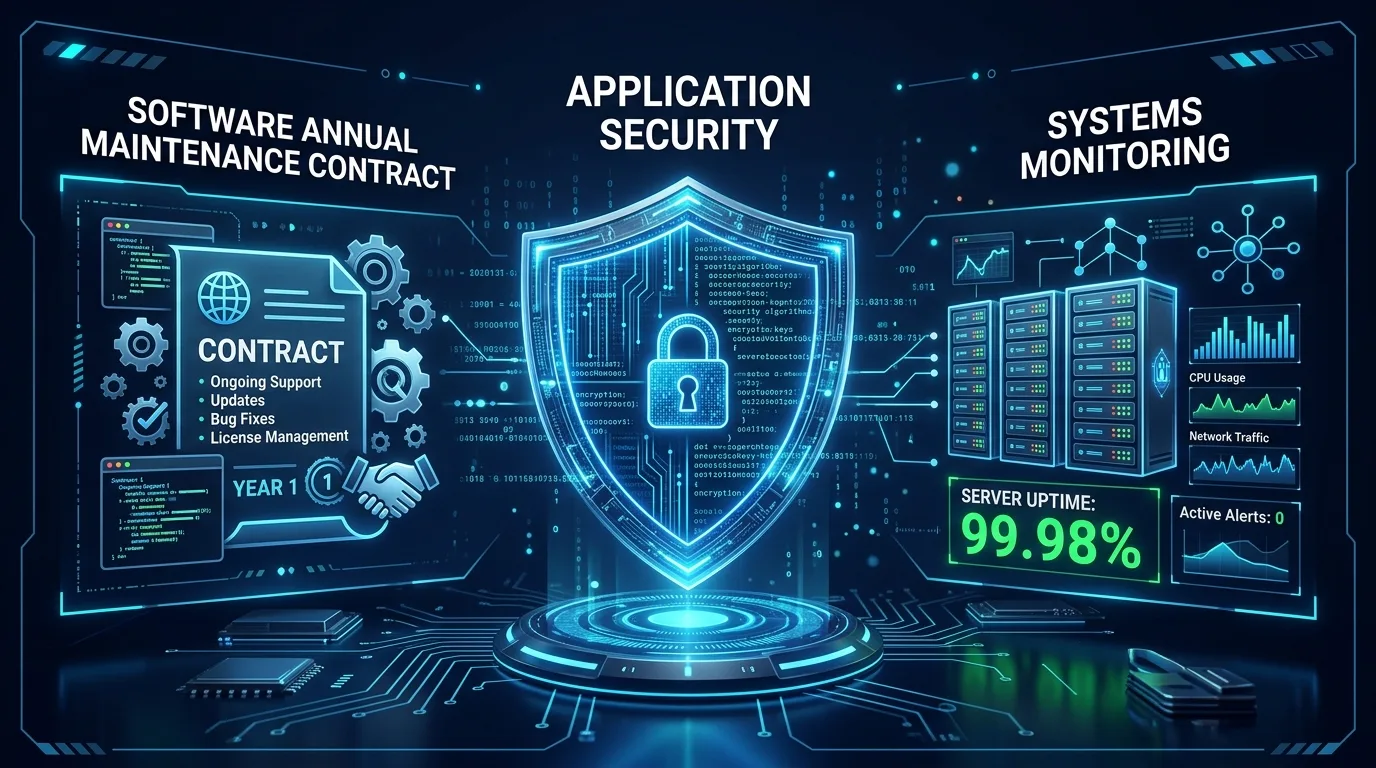
Geega Technologies specializes in CMMI Level 3 certified software development, scalable enterprise cloud architecture, and mission-critical engineering solutions.
Consult Our Tech Leaders →
Speak directly with our engineering team to audit your requirements, architecture, and timeline.